One Last Farm
(2022 – On going)
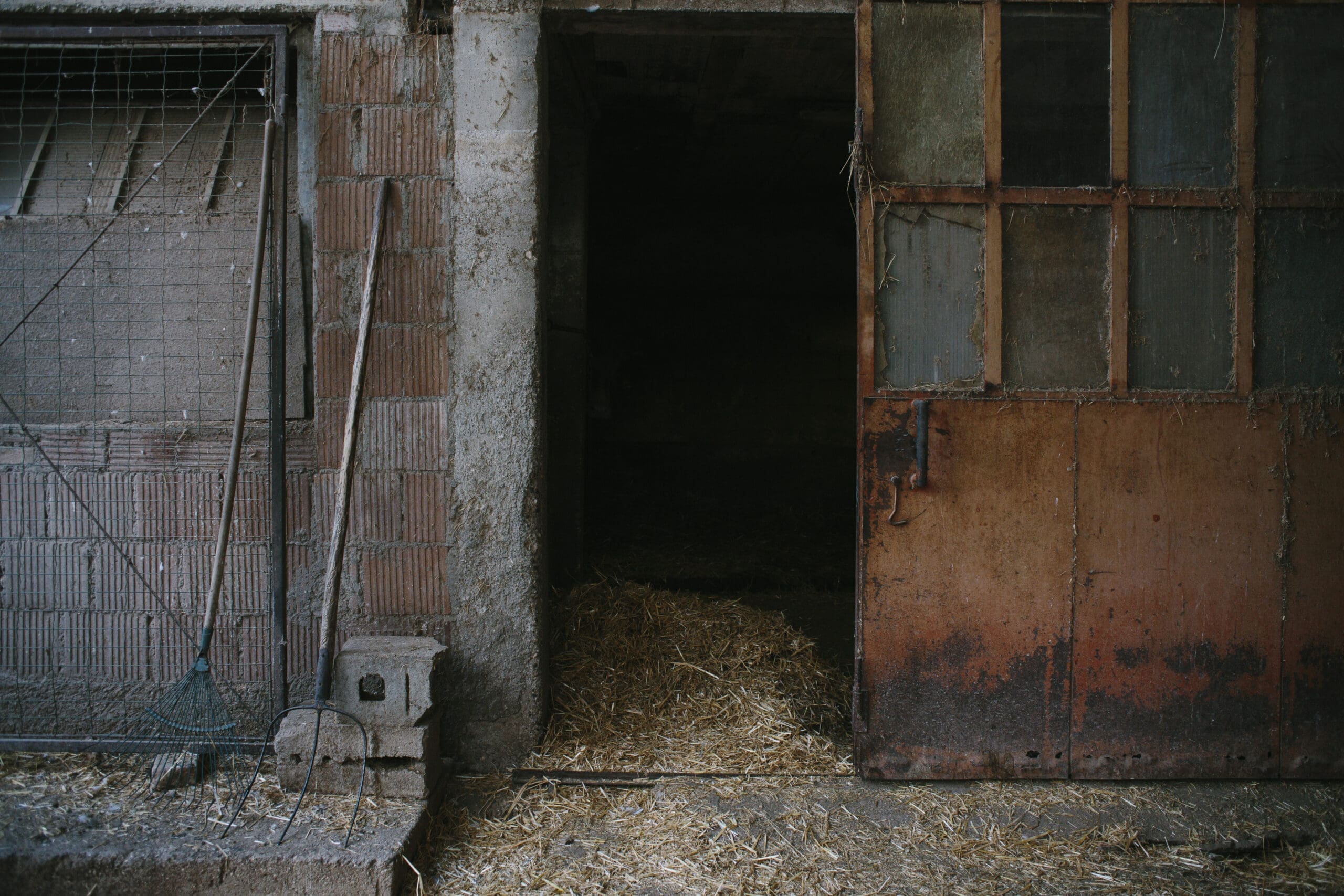
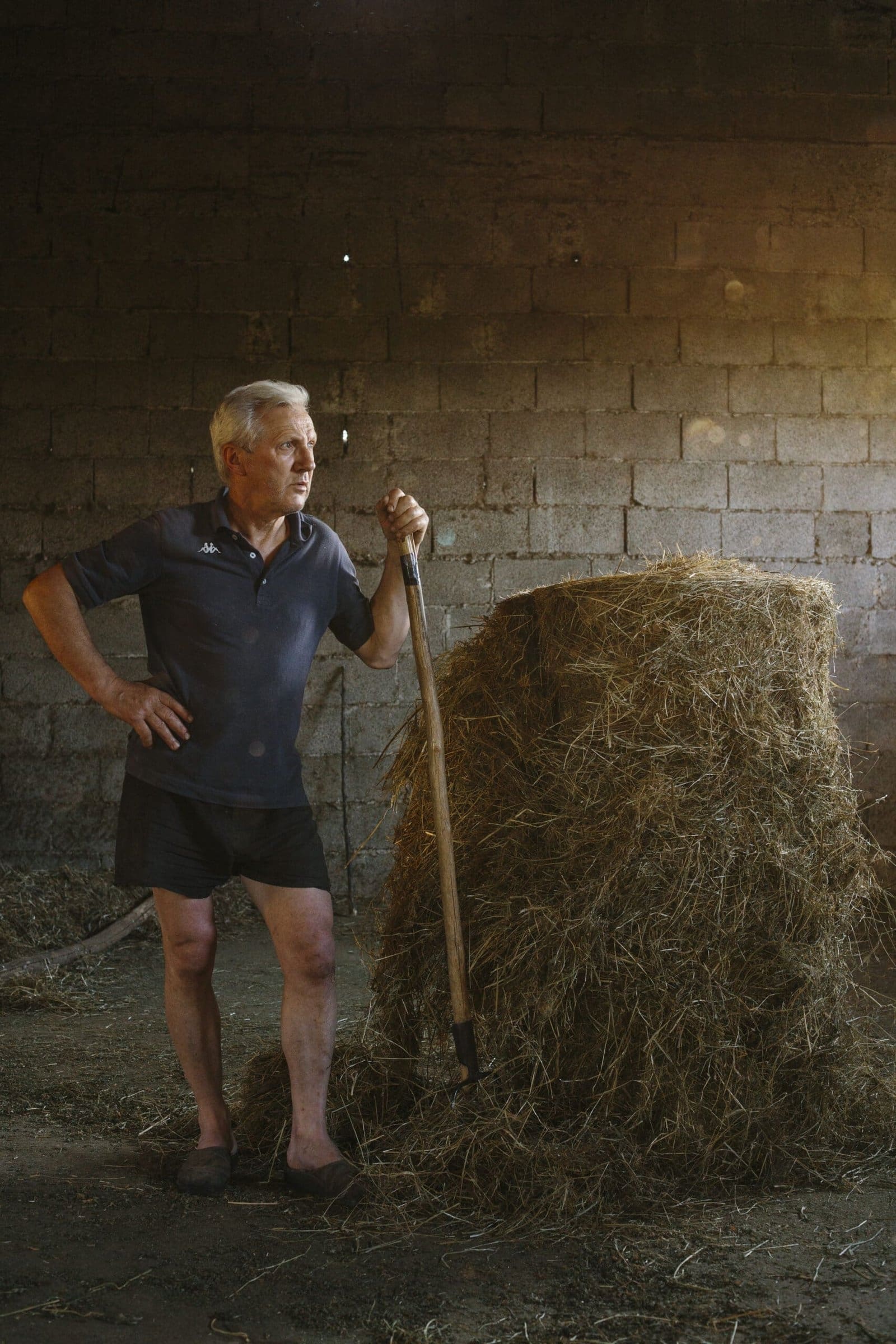
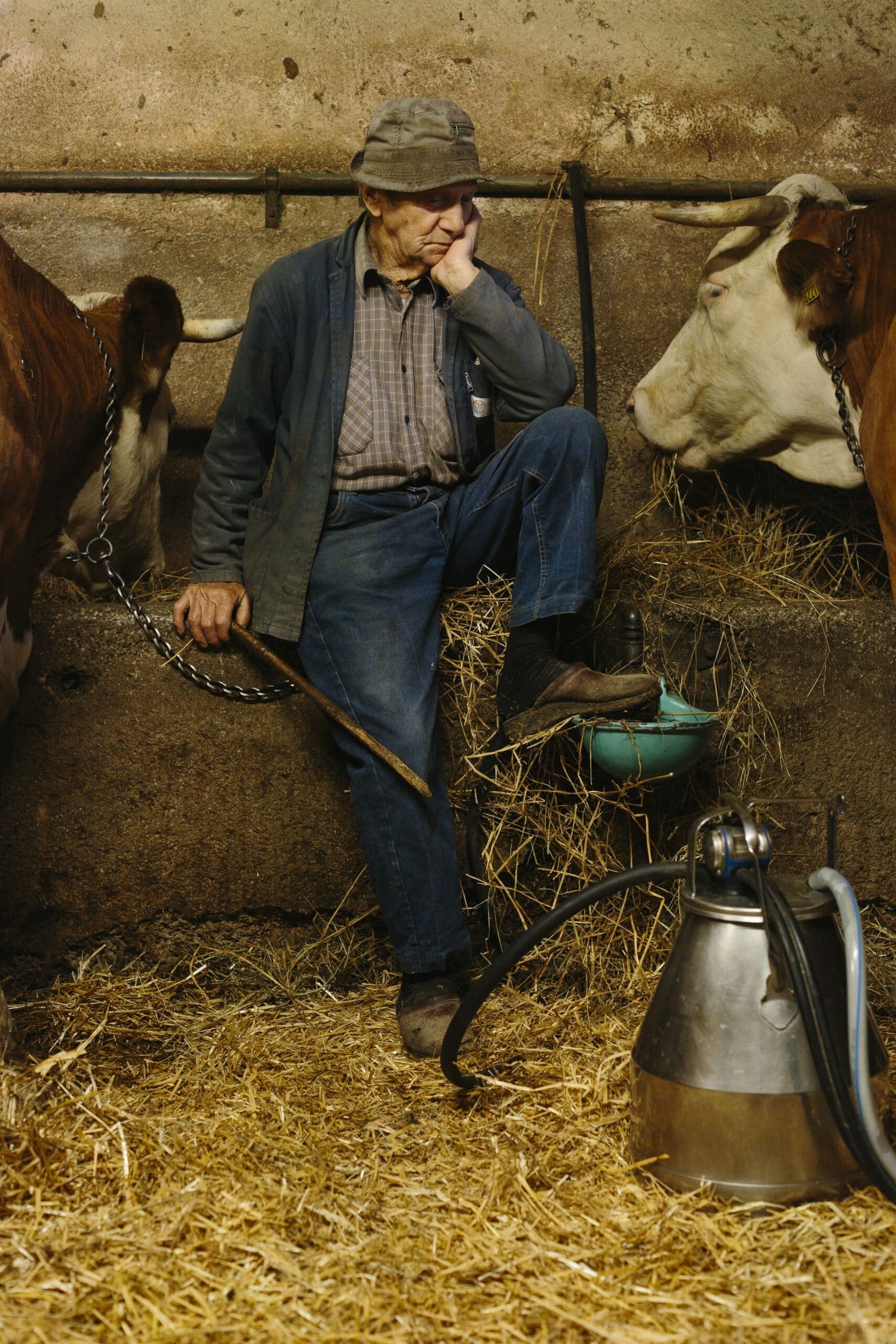
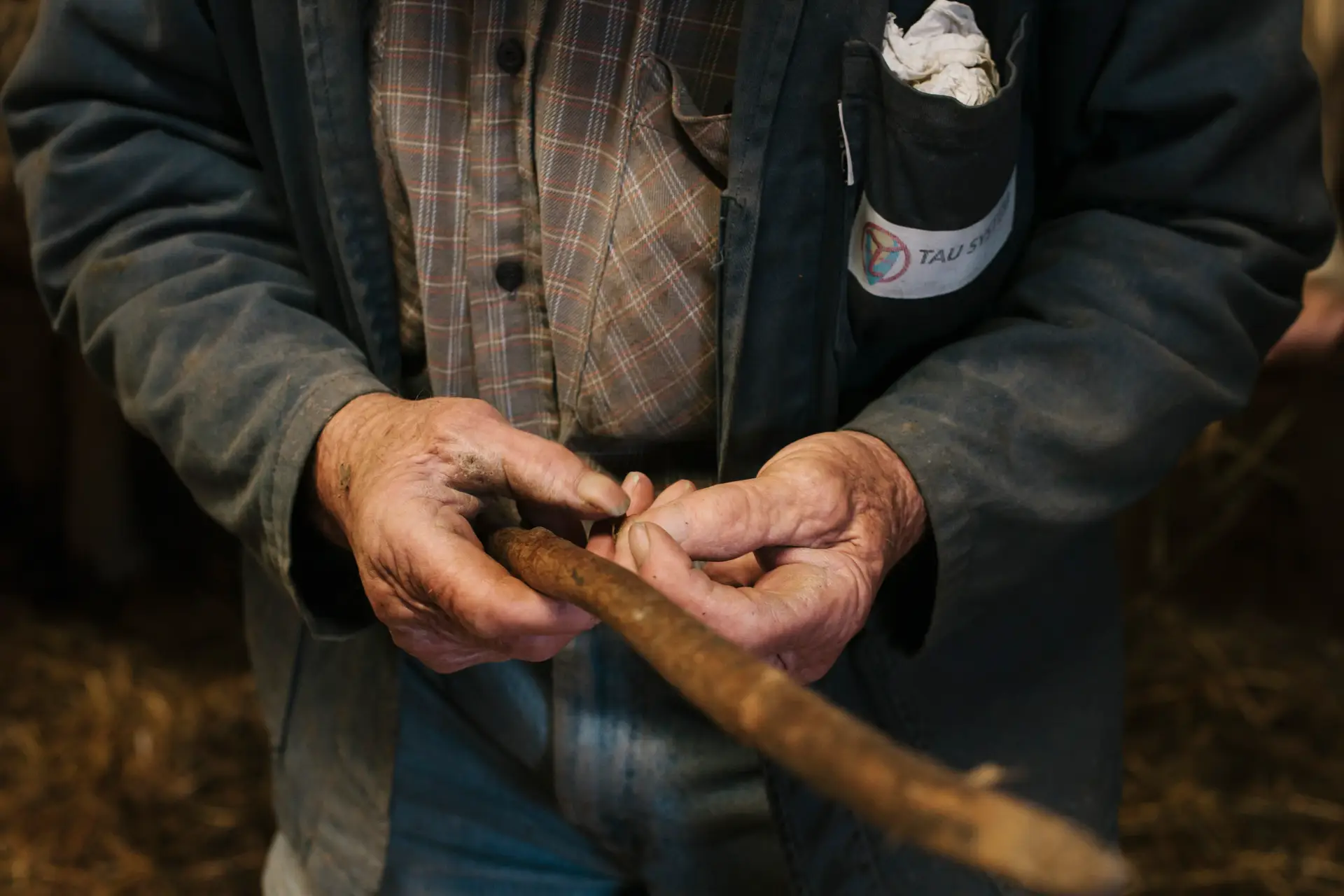
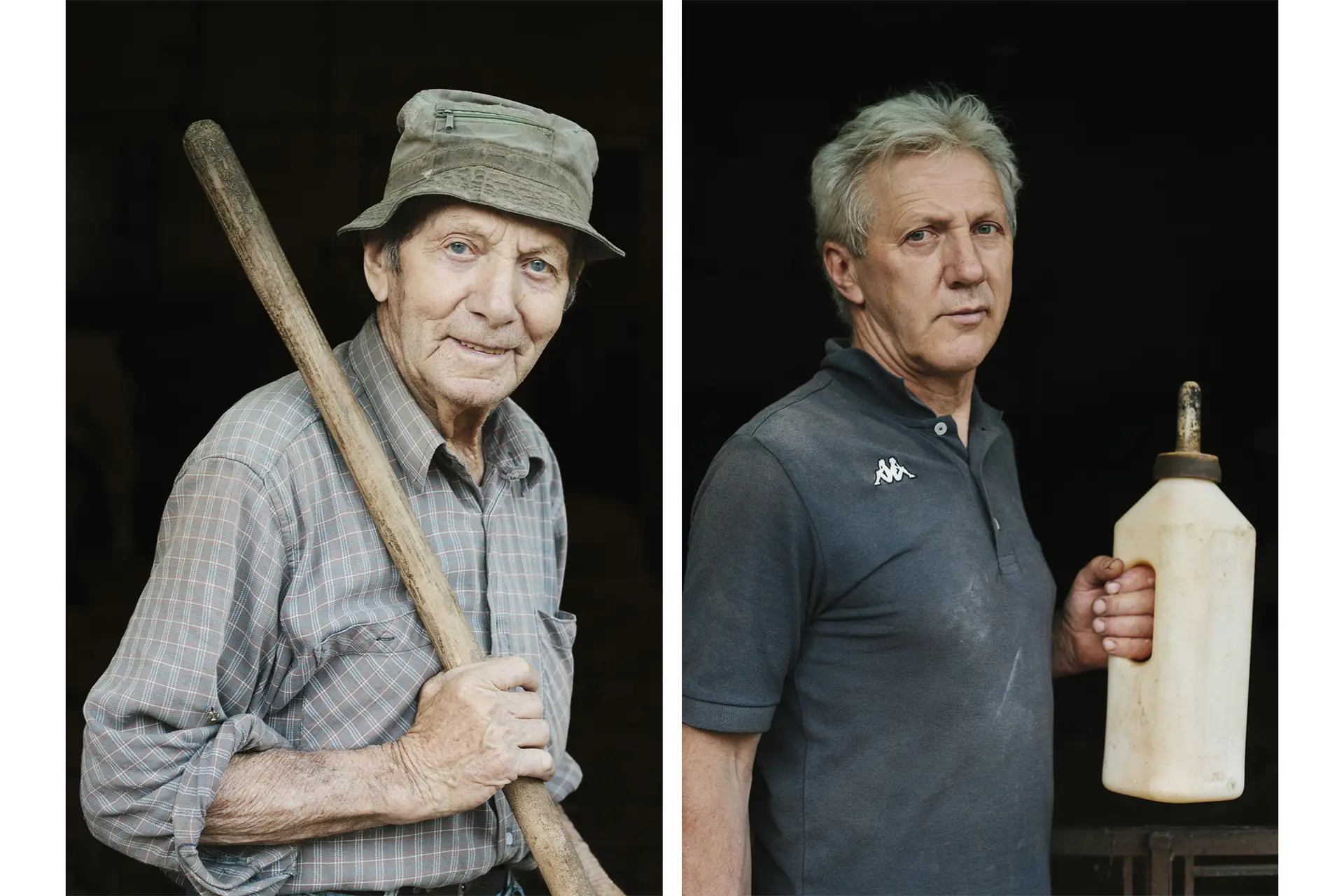
When Renzo died in 2024, his son Maurizio didn’t just lose a father — he inherited the last thread connecting a way of life to the present. The two of them had worked the family barn together their entire lives, in a rhythm passed down since the structure was first built in the 1950s. Now, for the first time, Maurizio was alone.
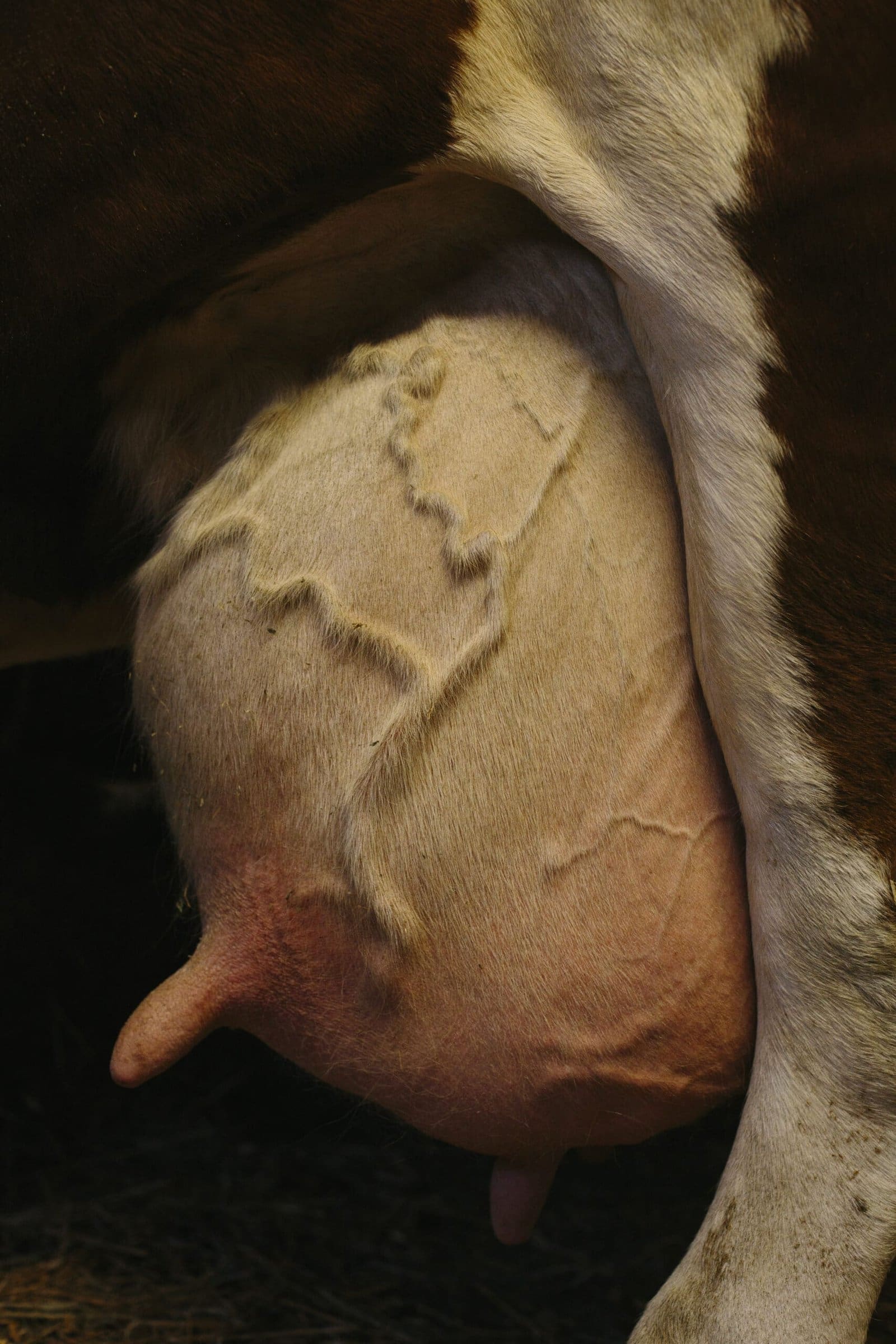
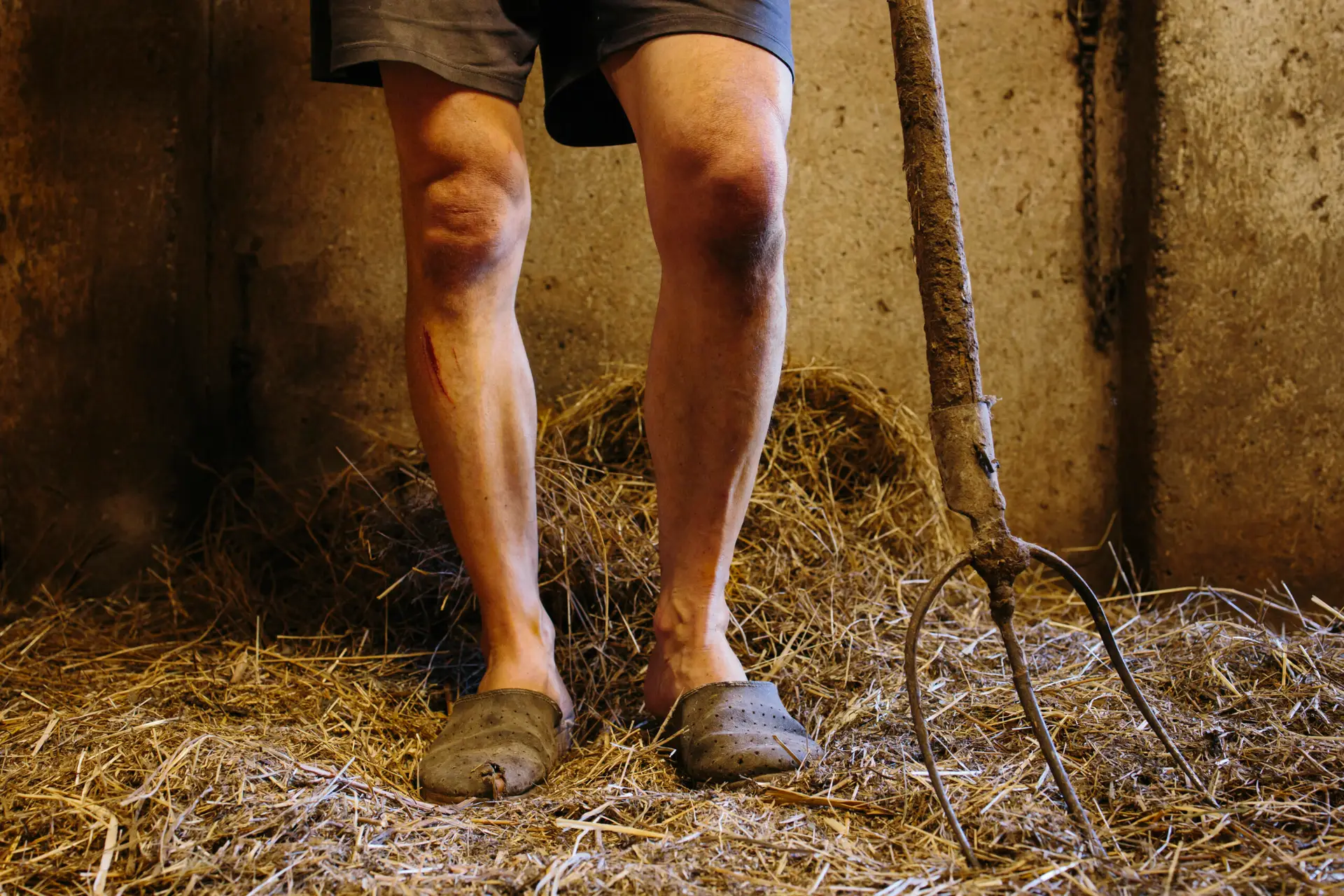
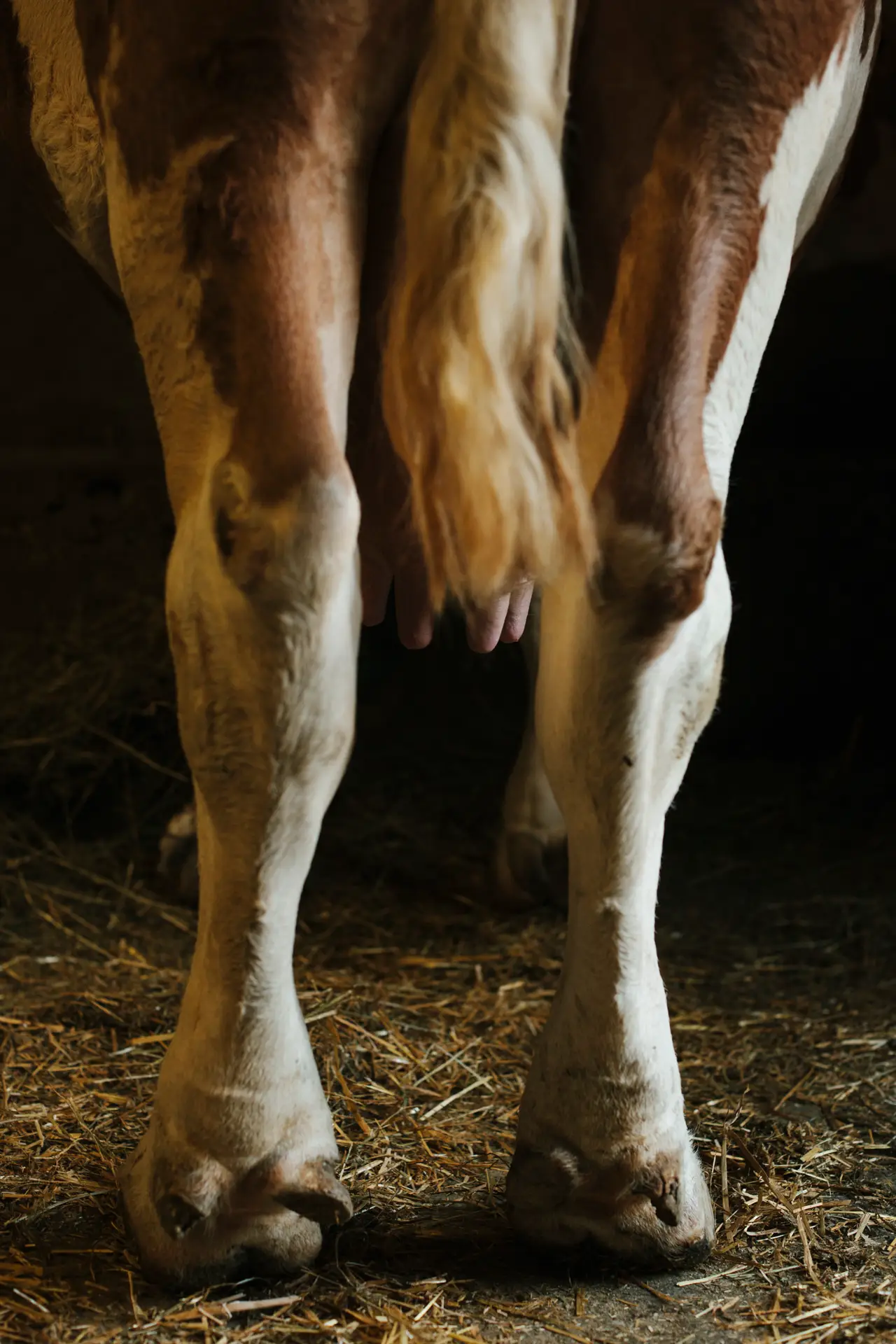
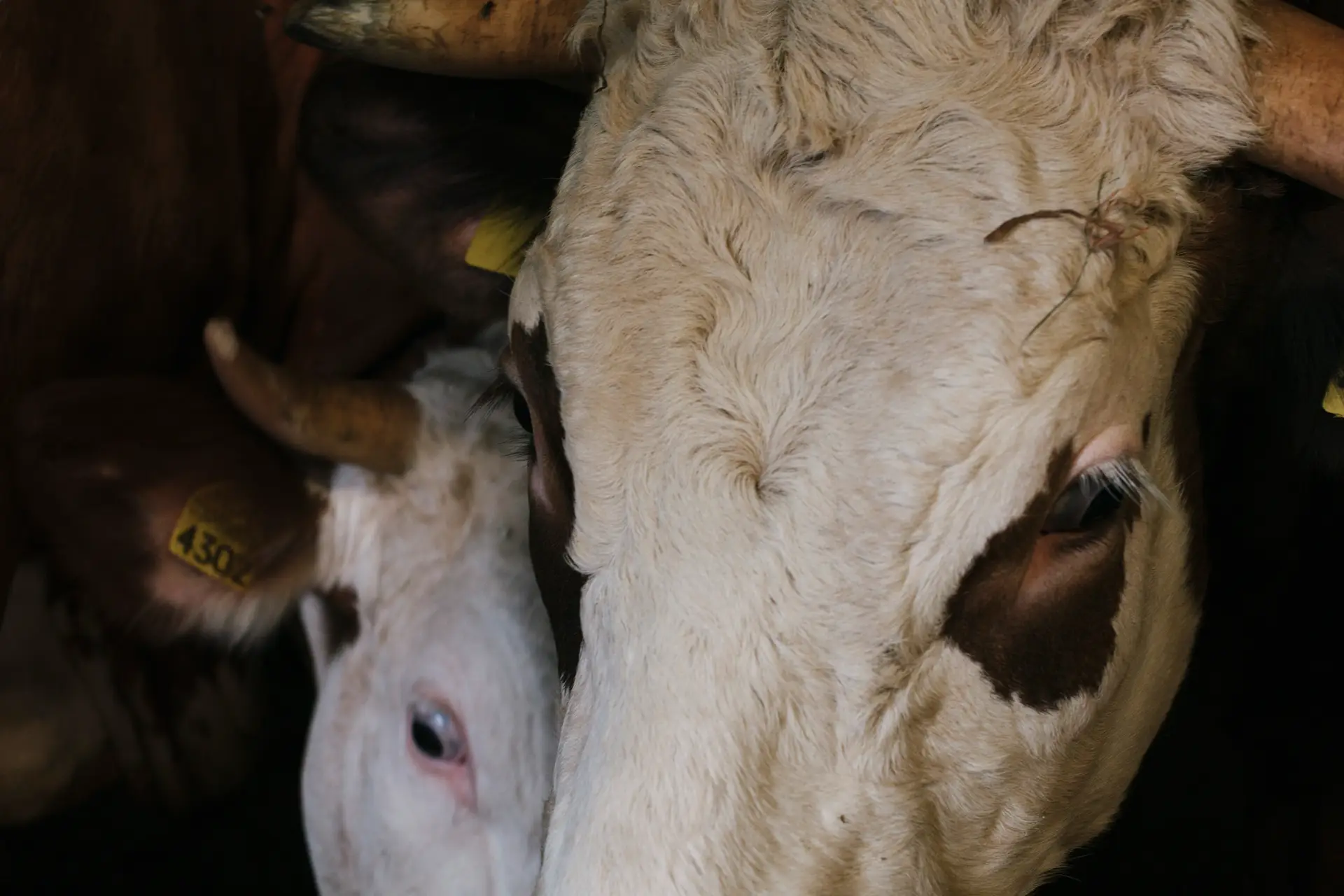
The rhythm itself hasn’t changed. Every morning at 5 a.m., before the rest of Fagagna wakes up, someone from this family has always been in the barn — feeding, cleaning, tending to animals that don’t know or care what year it is. Then Maurizio leaves for the metallurgical factory where he works from 7:30 a.m. to 4:30 p.m., and in the evening, when his shift ends, he goes back. The barn asks for him twice a day, every day, with no exceptions.
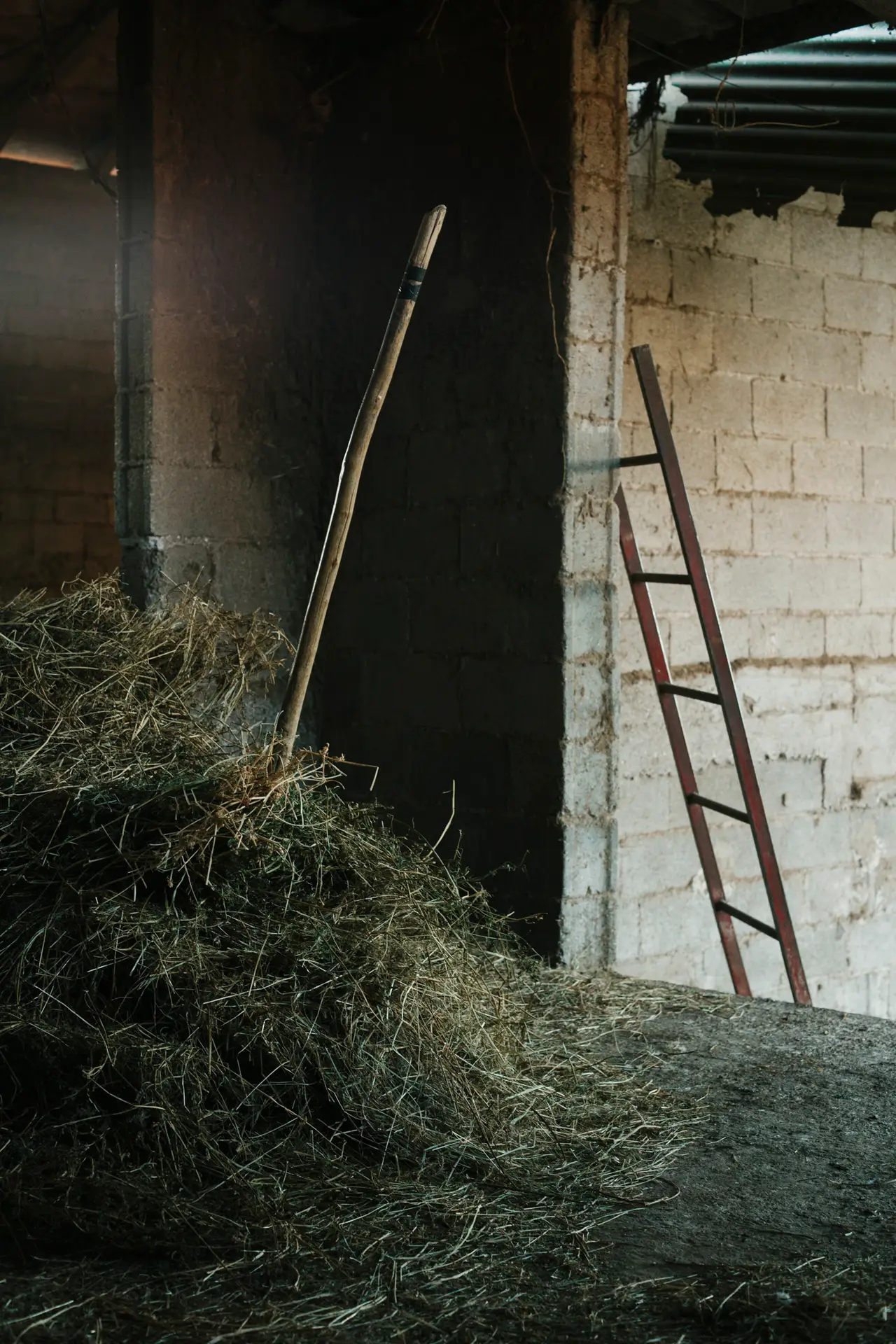
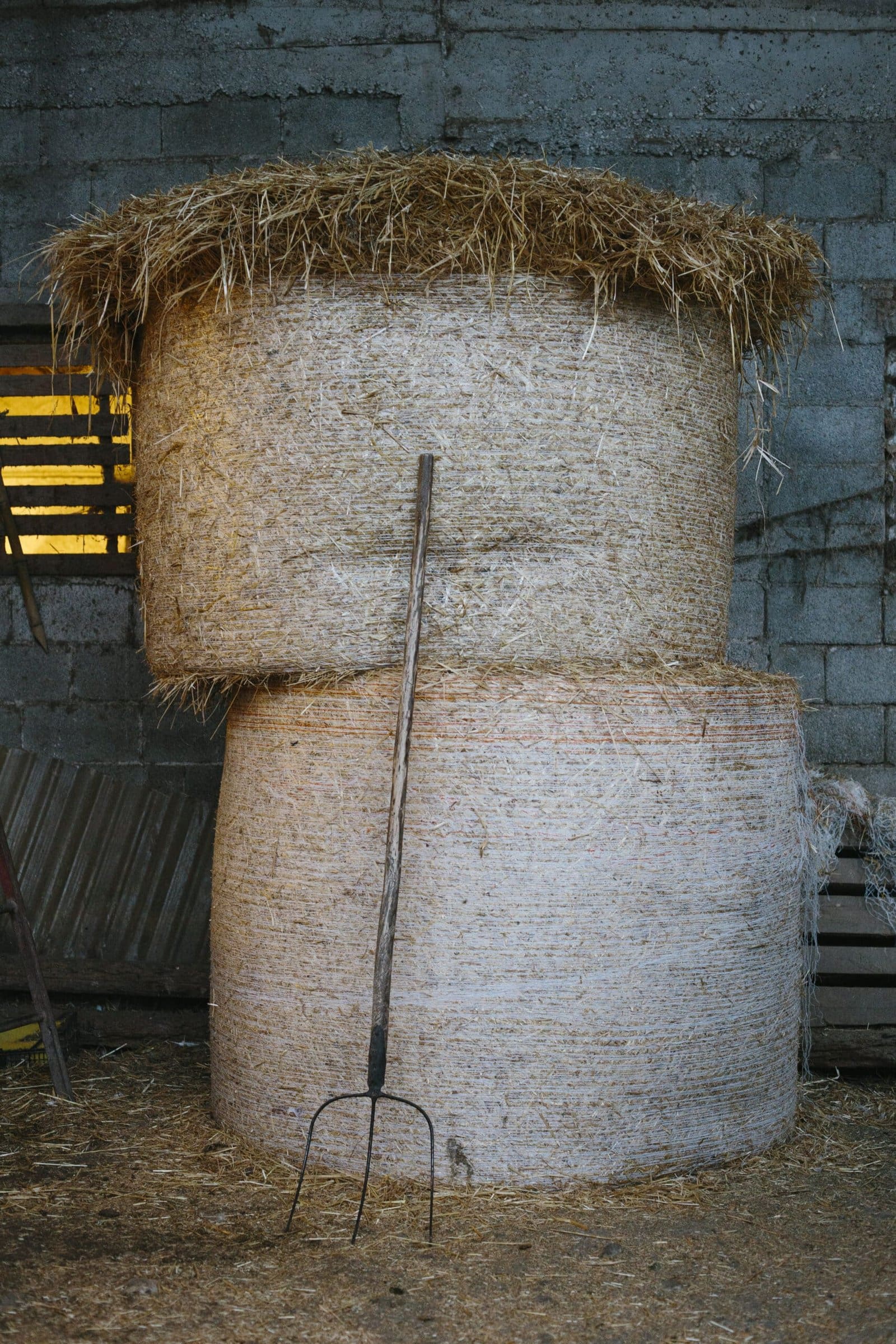
It is, in its own way, an act of resistance. Of the more than forty farms once scattered across Fagagna and its neighboring municipalities, this is the only one that has refused to modernize — no new technology, no shortcuts, just the same rural knowledge passed down through generations. Everywhere else, tradition has given way to efficiency. Here, it hasn’t.
This is a story of stubbornness and survival — a quiet resistance against time, against progress, against the pull toward optimization that has emptied so many barns like this one. It is a reminder that the past doesn’t always need to be left behind, because it is still, in its own way, part of us. And it is an attempt to let that past go on living, slowly, in a world that has largely forgotten how.